When people look at a finished concrete structure, they usually notice the concrete itself. However, one of the most important stages often happens before the finished concrete surface is visible.
That stage is formwork.
Formwork plays a critical role in many concrete construction projects by creating the temporary structure into which concrete is placed.
From walls and foundations to columns, ramps and other structural elements, properly constructed formwork helps determine the final shape, dimensions, alignment, and appearance of the concrete.
What Is Formwork?
Formwork is a temporary mould or supporting system used to contain freshly placed concrete until the concrete develops enough strength to maintain its intended shape.
Depending on the project, formwork can be constructed from different materials and configured in many different ways.
Its main purpose is to hold the concrete securely in the correct position during placement and early curing.
Why Is Formwork Important?
Fresh concrete is workable and takes the shape of the area into which it is placed.
Without correctly constructed forms, achieving precise dimensions and structural configurations would be extremely difficult.
Formwork helps control several important aspects of a concrete project.

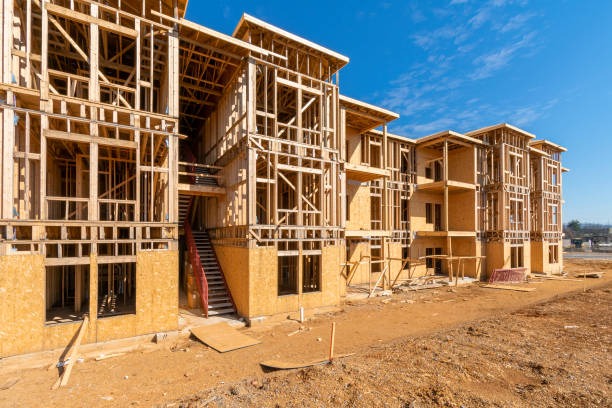

Shape
The form creates the basic shape of the concrete element.
Whether the project involves a wall, ramp, footing, planter, slab edge, or other concrete feature, the form defines its boundaries.
Dimensions
Accurate measurements are essential.
Formwork helps establish the required:
- Width
- Length
- Depth
- Height
- Thickness
Small errors during this stage may become much more noticeable once the concrete is placed.
Alignment
Formwork helps ensure concrete elements remain properly positioned.
Correct alignment can be especially important when multiple sections of a construction project must connect or when additional components will later be installed.
Surface Appearance
Because the concrete comes into direct contact with the form, the condition and preparation of the formwork can influence the finished surface.
Some concrete projects may require additional grinding, sacking, or finishing after the forms are removed.
Supporting Fresh Concrete
Freshly placed concrete can place significant pressure on formwork.
The forms therefore need to be properly assembled, supported, and braced for the requirements of the project.
The formwork should remain stable throughout placement.
The Formwork Process
Although every project is different, formwork generally involves several stages.
Step 1: Reviewing the Project Requirements
Before construction begins, the team needs to understand the dimensions, layout, elevations, and other requirements of the concrete element.
Step 2: Preparing the Area
The work area is prepared so that the formwork can be installed in the correct position.
Step 3: Building the Forms
Forms are measured, cut, assembled, aligned, and supported according to the project’s requirements.
Step 4: Checking the Work
Before concrete placement, the formwork should be checked for dimensions, alignment, stability, and other relevant project requirements.
Step 5: Concrete Placement
Concrete is placed into the prepared forms.
The formwork maintains the intended shape while the concrete begins to harden.
Step 6: Form Removal
Once project requirements allow, the forms are removed carefully.
The concrete can then be inspected and additional surface finishing completed where required.
Formwork for Different Types of Concrete Projects
Formwork may be used in many different construction applications.
These can include:
- Foundations
- Concrete walls
- Structural concrete
- Ramps
- Planters
- Building components
- Parking structures
- Commercial concrete projects
- Residential concrete construction
Each application presents different requirements, which is why proper planning is essential.
Formwork and Concrete Finishing Work Together
Removing the forms does not always mean that the concrete work is completely finished.
Depending on the desired appearance and specifications, concrete surfaces may require additional work such as:
- Sacking
- Grinding
- Patching
- Surface correction
- Finishing
This is why it is helpful to consider formwork, concrete placement, and finishing as connected stages of the same construction process.
Professional Formwork and Concrete Construction in British Columbia
Good concrete work begins with careful preparation.
MARSHAN West Coast Enterprise Ltd provides formwork and concrete construction services for residential, commercial, and industrial projects throughout British Columbia.
Services include formwork, structural concrete, concrete flooring, grinding, sacking, finishing, ramps, walls, planters, parking structures, and complete concrete projects.
Have an upcoming construction project?
Speak with MARSHAN West Coast Enterprise Ltd about your project requirements.
Phone: +1 604 719 1845


